TRANSPORTATION SOLUTIONS
Keep operations moving.
Keep safety connected.
From the vehicle check to the warehouse handover, give your teams a clear way to report concerns, prepare for the job and follow through. Locstatt connects daily HSE activity across your people and locations.

One connected approach to safer work.
Tight schedules.
Changing teams.
No room for lost information.
Safety depends on what people know before the task—and what happens when they raise a concern. Connect the routines that help drivers, warehouse teams and supervisors make better decisions.
A reported defect needs a clear next step.
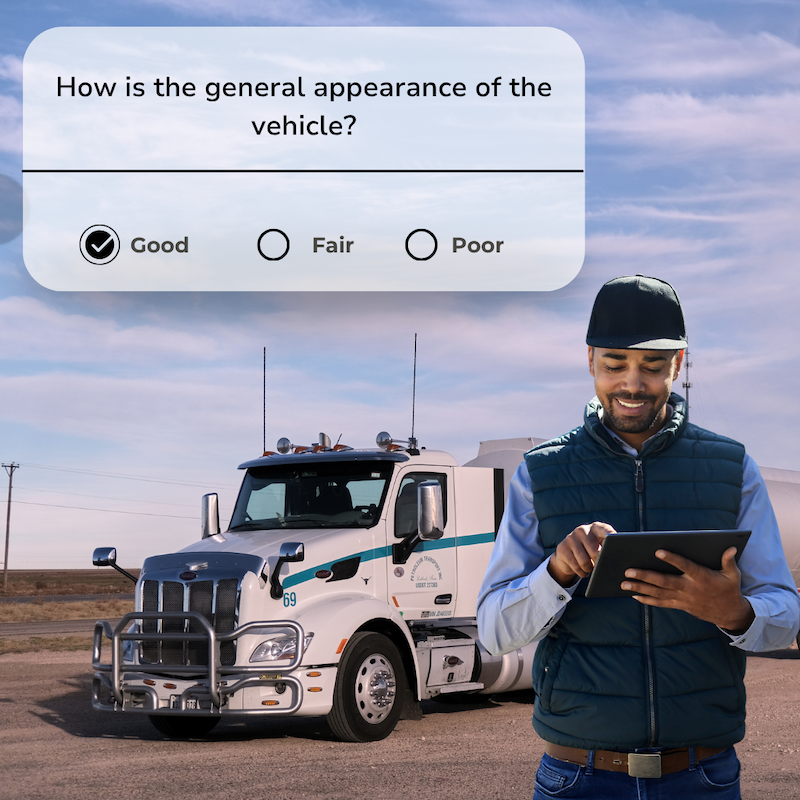
Vehicles and equipment change hands. A concern found during one shift can be missed by the next.
Capture pre-use findings with photos and comments. Assign responsibility, follow up on outstanding actions and retain evidence of what was done.
Audits & Inspections · Corrective Actions
Busy loading areas leave little room for assumptions.
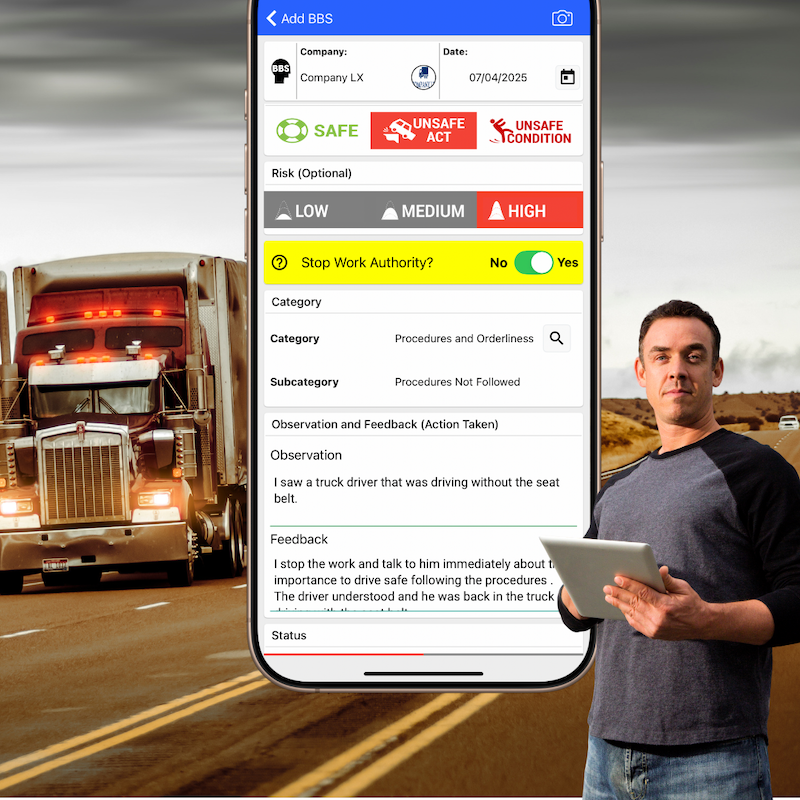
Vehicle movements, pedestrians, loading tasks and changing site conditions need a shared understanding of risk.
Bring task hazards into the briefing. Record changing conditions and observed behaviors so supervisors can discuss controls and respond to concerns raised by the team.
Experience does not replace site-specific preparation.
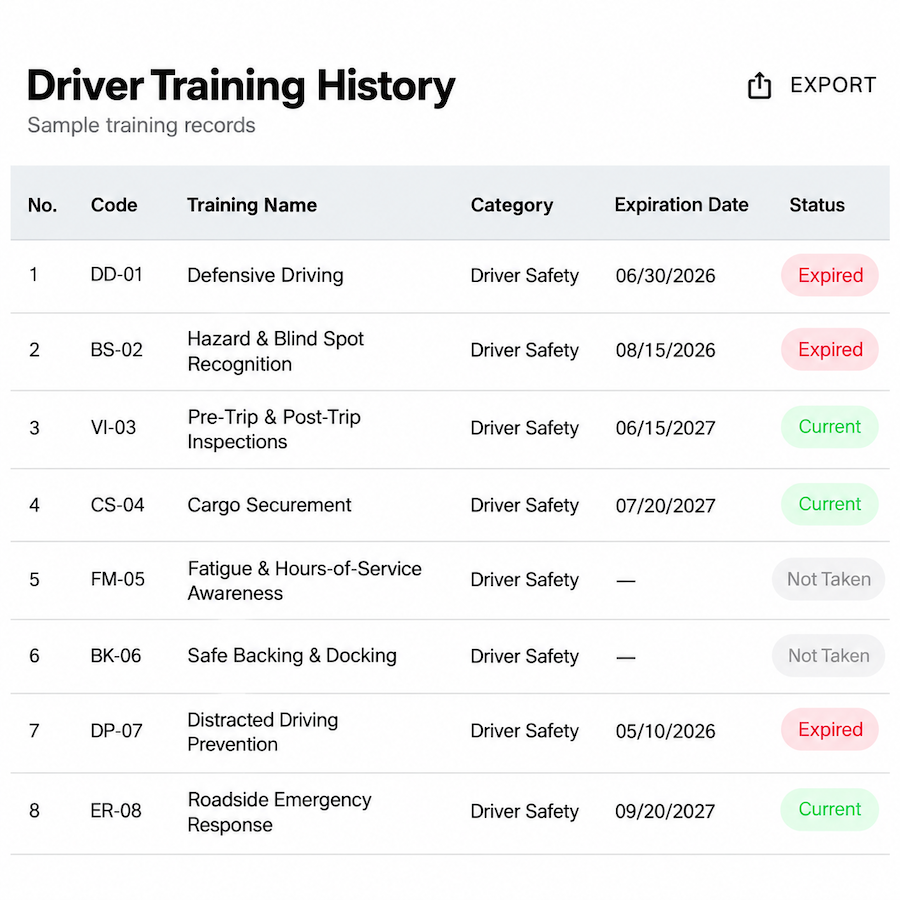
New drivers, temporary staff and contractors may arrive with different training histories and unfamiliarity with the location.
Document inductions and required learning. Review qualifications and upcoming expirations, and keep site briefings connected to the people who attended.
The shift ends. An unresolved concern does not.
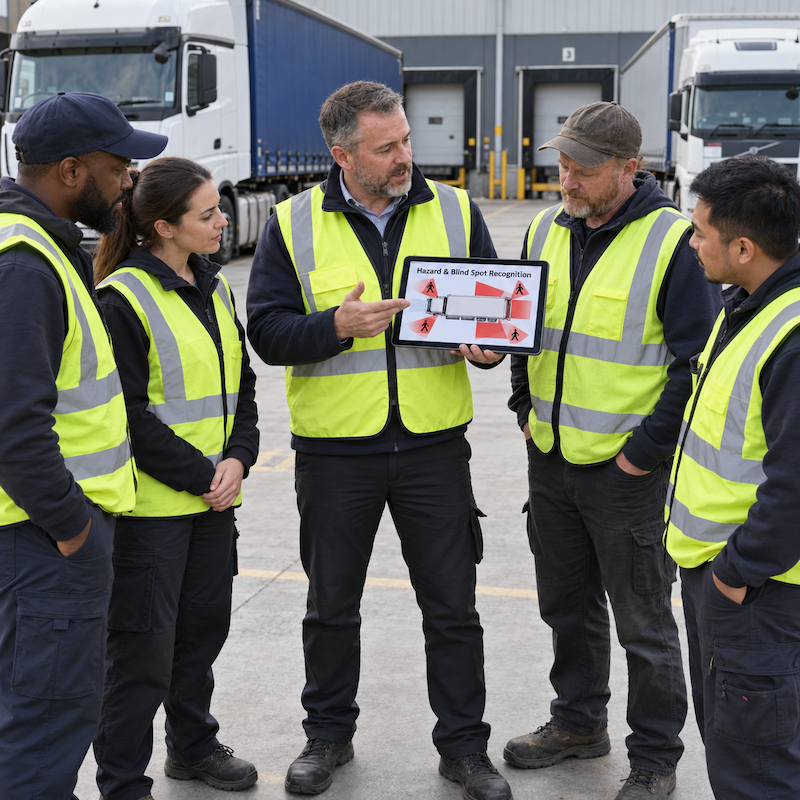
A damaged dock, changed access route or outstanding action can lose context between dispatch, warehouse teams and supervisors.
Record relevant updates and open concerns in the handover. Give the incoming team a documented starting point for its briefing and follow-up.
A near miss at one depot is a lesson for others.
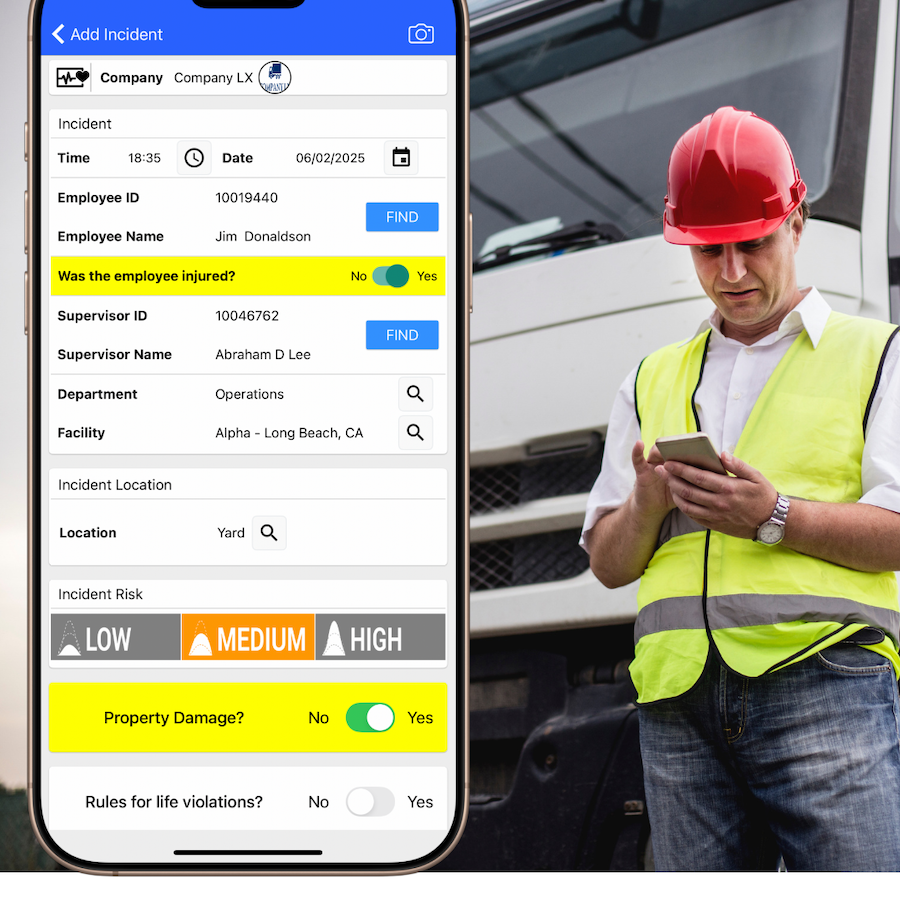
A local response can leave other teams exposed to a similar problem if the learning stays at the original site.
Document what happened, review contributing factors and track the response. Share relevant lessons and use later checks to assess whether changes are working.
Incident Reporting · Lessons Learned / NCR · Corrective Actions
People report more when they see a response.
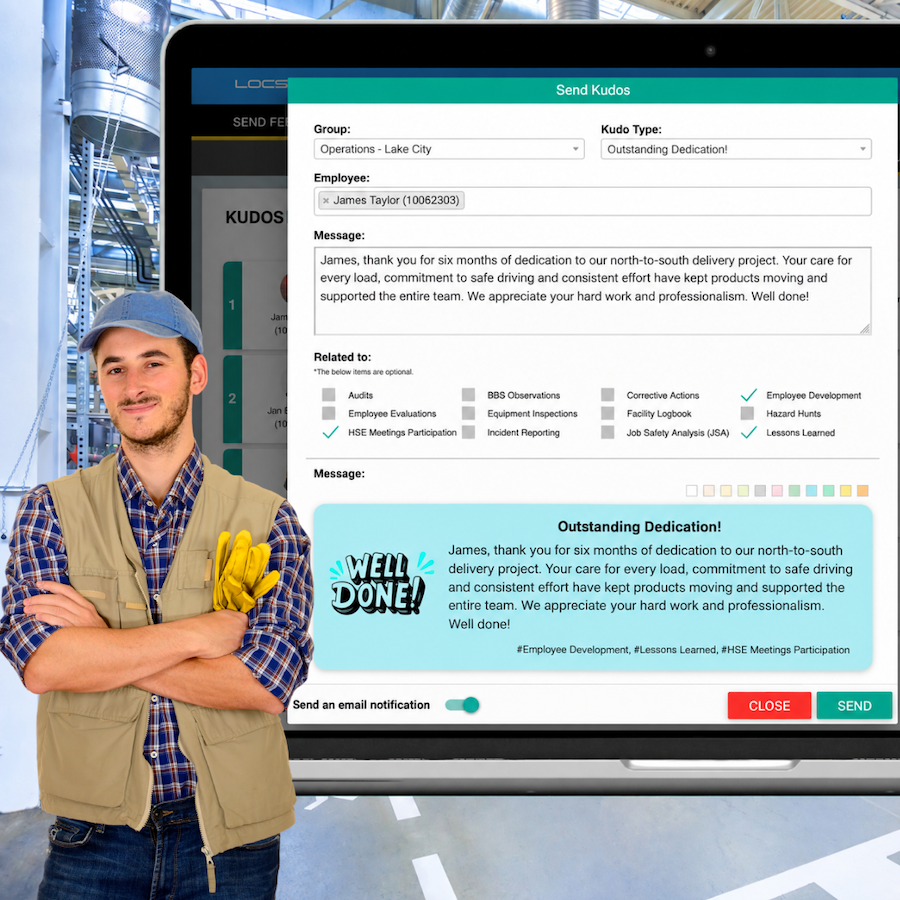
Drivers and warehouse teams see details that managers may miss. Their participation depends on feeling heard.
Review contributions with each team, give specific feedback and recognize useful participation. Explain how a reported concern helped improve the way work is done.
Different work areas.
Consistent safety routines.
Use templates and reporting structures that reflect your vehicles, equipment and locations. Give each team relevant checks and a clear process for addressing findings.
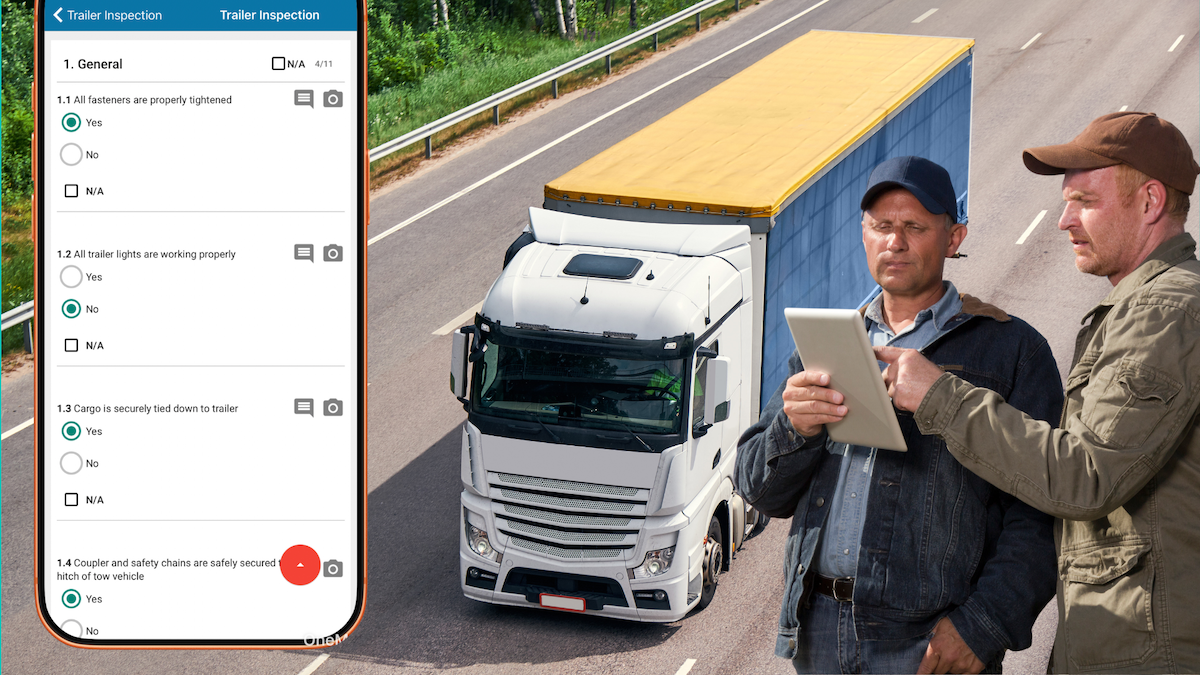
Working beyond reliable coverage?
Mobile inspections support offline capture and synchronize when connectivity returns.
Fleet & vehicle checks
Structure pre-use inspections around your approved checklist. Record defects and supporting evidence, then track the required follow-up.
Warehouses & loading bays
Adapt checks to the workplace. Capture concerns about equipment, access, housekeeping or loading areas and make responsibility for follow-up clear.
People & shift handovers
Bring training records, meeting participation and relevant logbook updates into everyday supervision.
Make learning part of the shift.
Connect formal training with the conversations that happen before, during and after the work. Keep learning relevant to the role and the conditions people face.
Start with clear expectations.
Record site orientation and review learning requirements for drivers, warehouse employees and contractors.
Make the briefing relevant.
Use toolbox talks and JSAs to discuss loading activities, unfamiliar locations and changes to the work.
Keep qualifications visible
Review training records and expirations. Use findings and lessons learned to guide refresher learning.
See the pattern.
Improve the next shift.
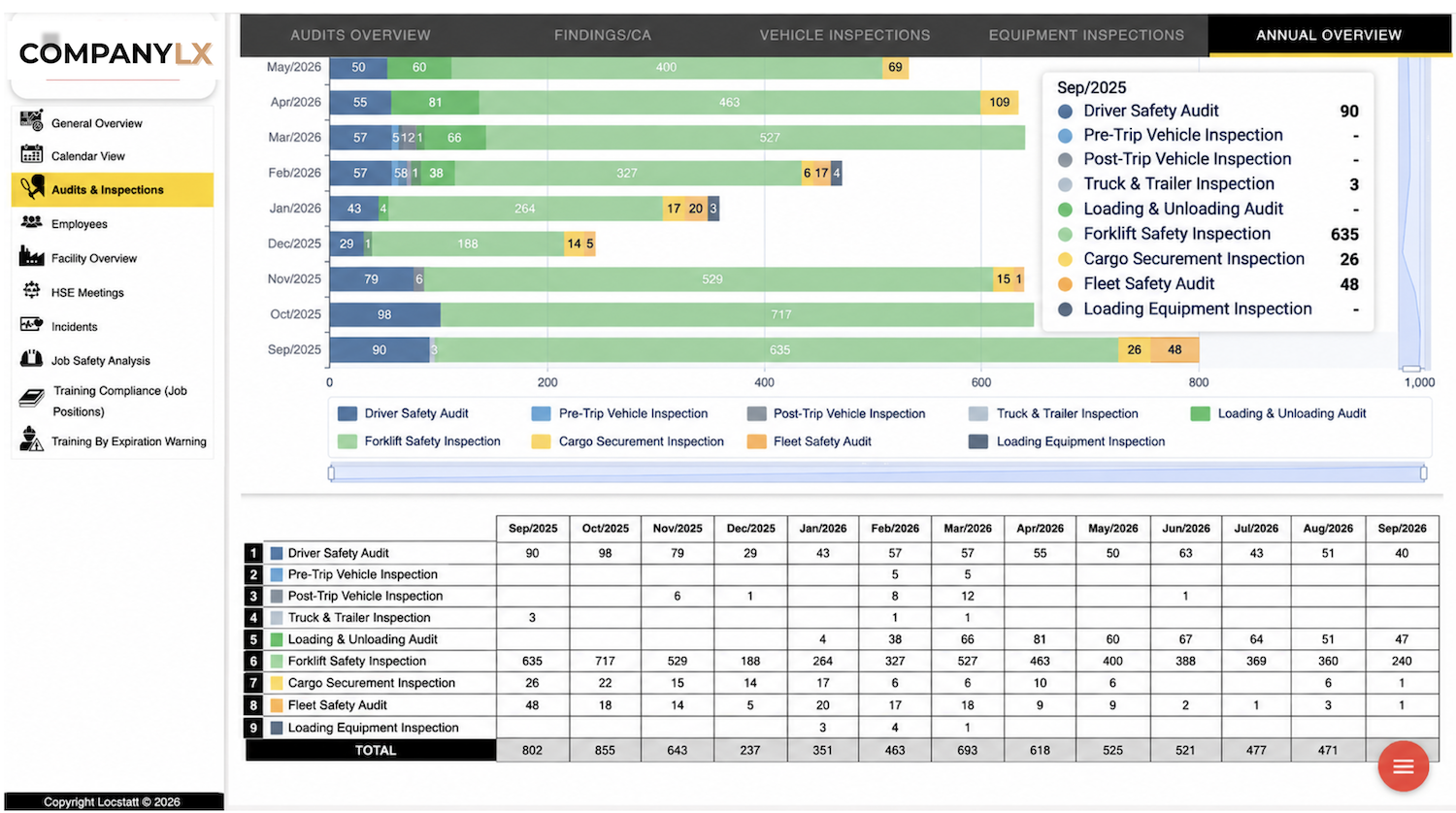
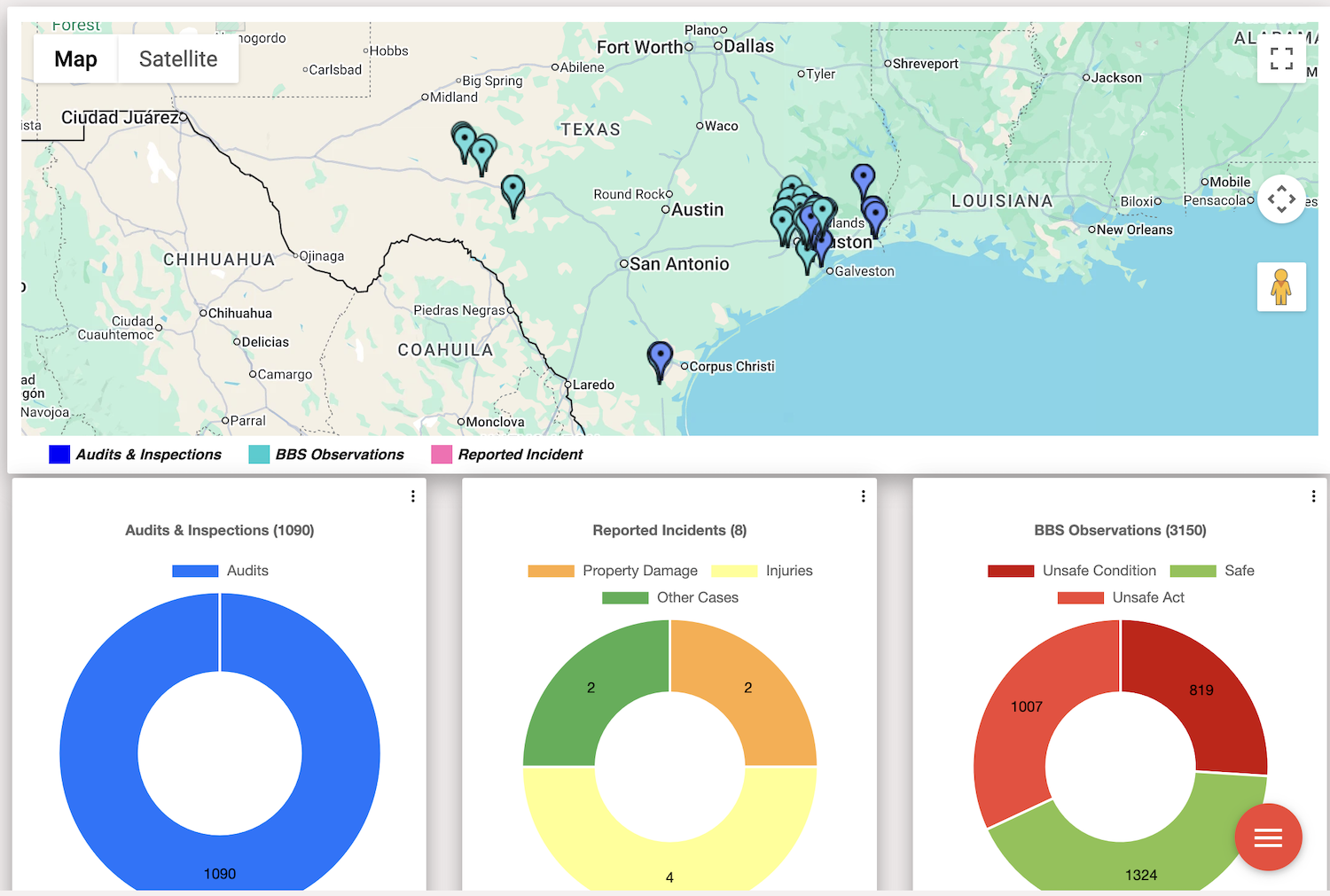
Bring reported HSE activity into the Company Performance Overview. Use recurring findings, participation and open actions to focus management discussions on where support and follow-up are needed.
Ask better questions at your operations review.
Are similar equipment findings returning across depots?
Which actions need attention from a responsible owner?
Where should a briefing or refresher course be strengthened?
Which team’s improvement could help another location?
The safety cycle,
on your shop floor.
Continuous improvement brings the cycle back to prevention. Carry forward the controls, knowledge and experience your teams develop, and keep checking how they work in practice.
Prevent
Connect what your teams inspect, observe and discover with how they plan safe work.
Explore solution
Respond
Give your teams a clear path from what happened to who acts next—and what the whole organization can learn.
Explore solution
Prepare
Keep your workforce trained, qualified and ready for the job. Connect training, qualification tracking and safety meetings in one clear view of workforce readiness.
Explore solution
Understand
Turn field activity into company-wide safety insights. Connect reported cases, leading indicators and performance trends in one integrated HSE system.
Explore solution
Recognize
Turn everyday HSE contributions into meaningful recognition. Give supervisors the tools to build teams, review field activity and encourage progress through skills-based feedback and kudos.
Explore solution
Improve
Use what your teams report to strengthen controls, improve training and make safer practices part of everyday work.
Explore solution
Connect every shift.
Build a stronger safety culture.
Tell us about your fleet, facilities and teams. We’ll show you how Locstatt can connect daily reporting with preparation, accountability and improvement.