to learn.
At Locstatt, we understand the value of incidents as learning opportunities. Give your teams the tools to capture what happened, understand contributing causes and turn that knowledge into preventive action.


to a useful lesson.
A consistent process helps teams gather relevant information, document decisions and make the learning useful across the operation. Manage incidents and near miss programs within your integrated Locstatt HSE system.
Report
Capture the event and its immediate context.
Understand
Document the case, contributing factors and root causes.
Act
Assign corrective actions and review progress.
Learn
Use insights and refresher training to help prevent recurrence.
Every industry has its own work, exposures and reporting needs. Locstatt provides default lists so your company can begin with a comprehensive structure, then customize the values to fit its business.
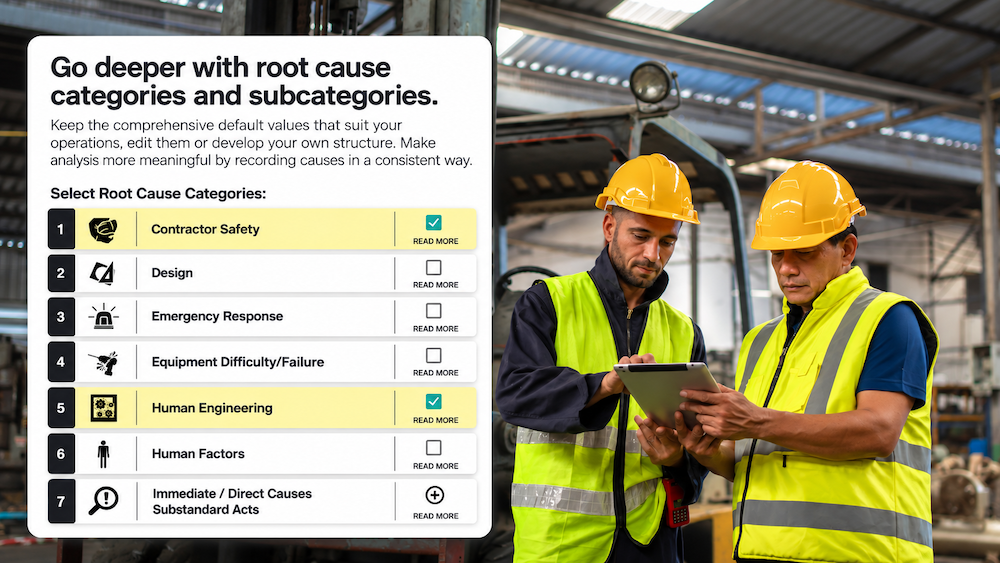
Incident types
Organize near misses, property damage, injury and illness cases in terms your company uses.
Types of work
Connect each event with the activity being performed.
Rules for life violations
Use comprehensive starting list and adapt them to the causes relevant to your operations.
Injury & illness types
Structure the information needed to understand employee impacts.
Weather conditions
Capture environmental context alongside the event.
Document types
Organize the supporting evidence each kind of incident needs.
WORKSTATION MOBILE APP
Report from the field. Keep the details close
to the event.
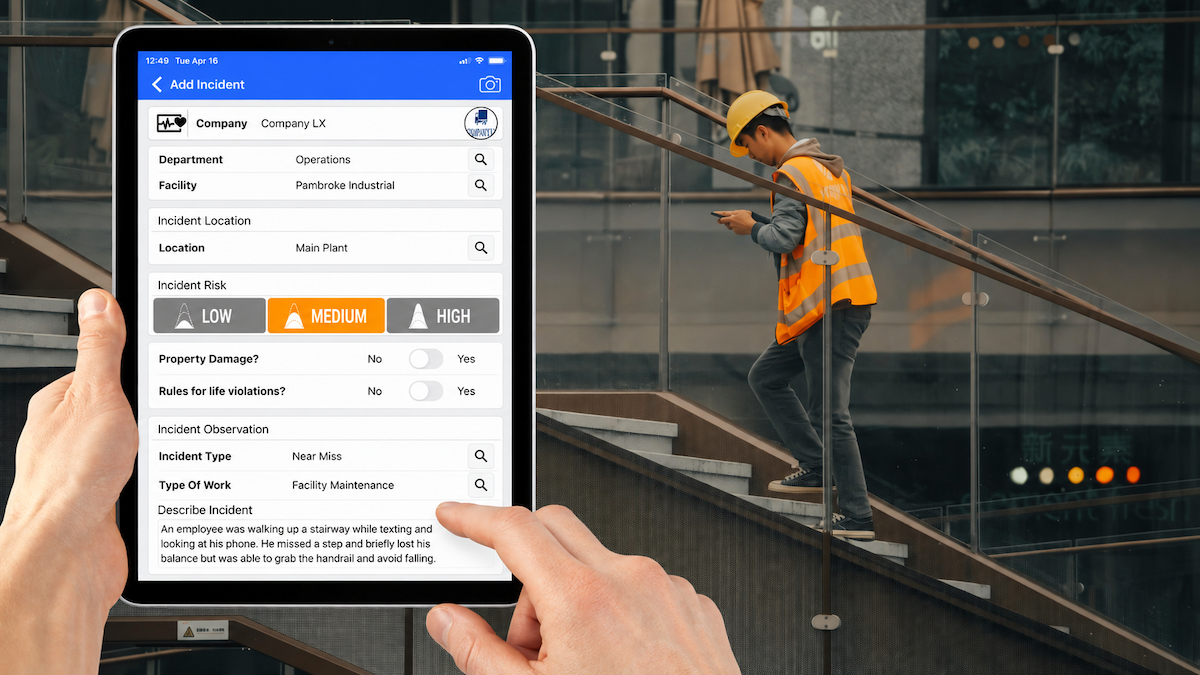
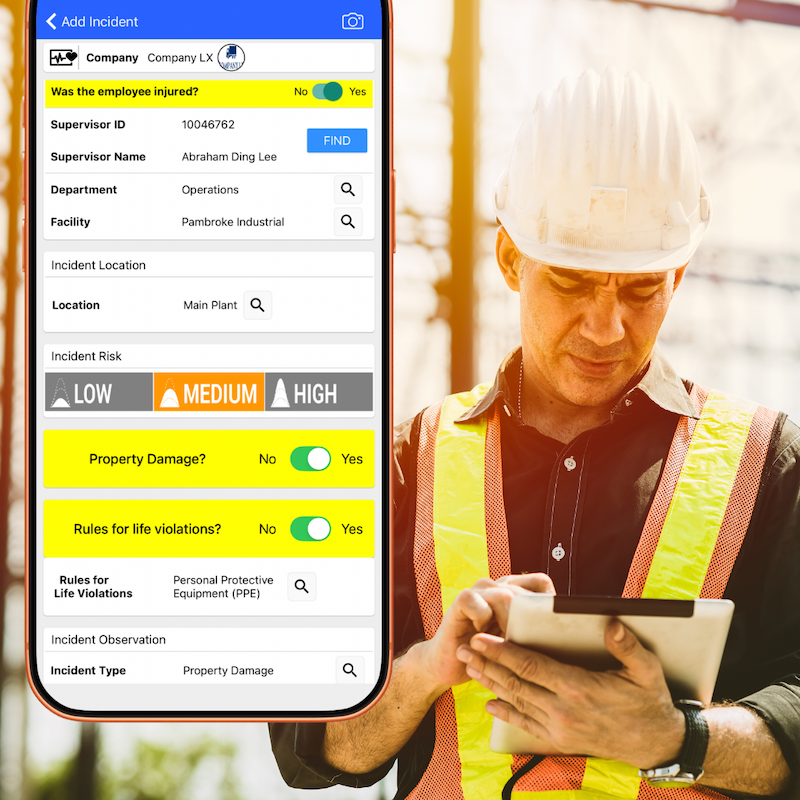
Open the Workstation app on your device to report an incident from any location. Capture the essential information while the context is still available, including photos and relevant injury details.
What happened
Description, incident type and type of work
When it happened
Date and time of the event
Who needs the context
Supervisor and relevant injury information
What was affected
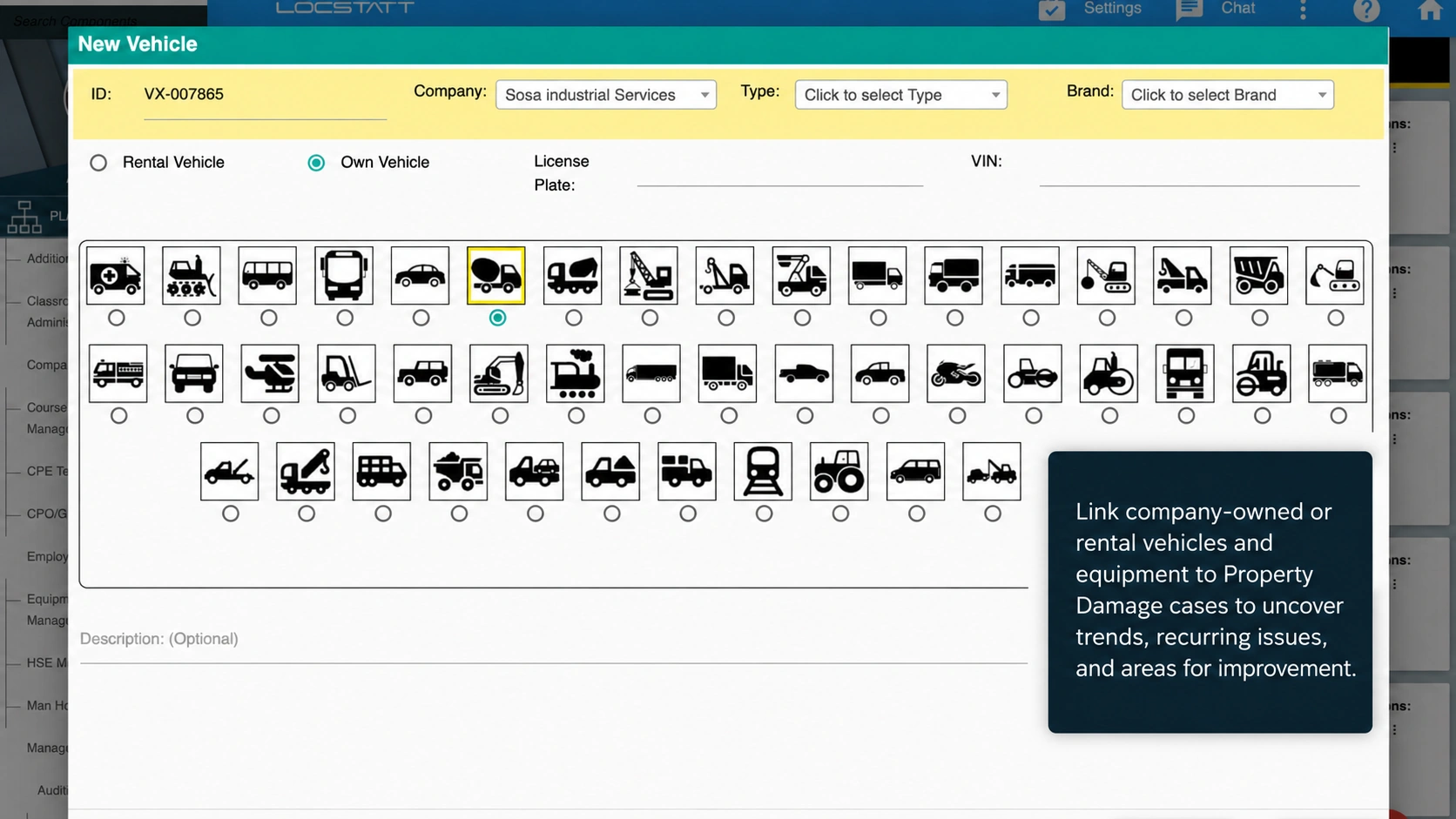
Property damage and supporting photos
How serious it may be
Assign risk levels to help prioritize follow-up actions and automatically notify the appropriate supervisors by email.
Understand the impact.
Keep follow-up in view.
Bring costs, injury information and regular updates into your incident management process. Give safety leaders the context to understand each case and see where attention is still needed.
Incident costs
Review cost breakdowns by department, incident type and other report views to understand financial impacts and identify areas for improvement.
Injury & illness information
Document cases with medical treatment and the source of injury/ illness type. Keep the details needed to understand the employee impact together.
Weekly reports by email
Receive a summary of the previous week’s highlights, including corrective actions that remain open. Start the week with a clear view of follow-up priorities.
Turn incident information
into accountable action.
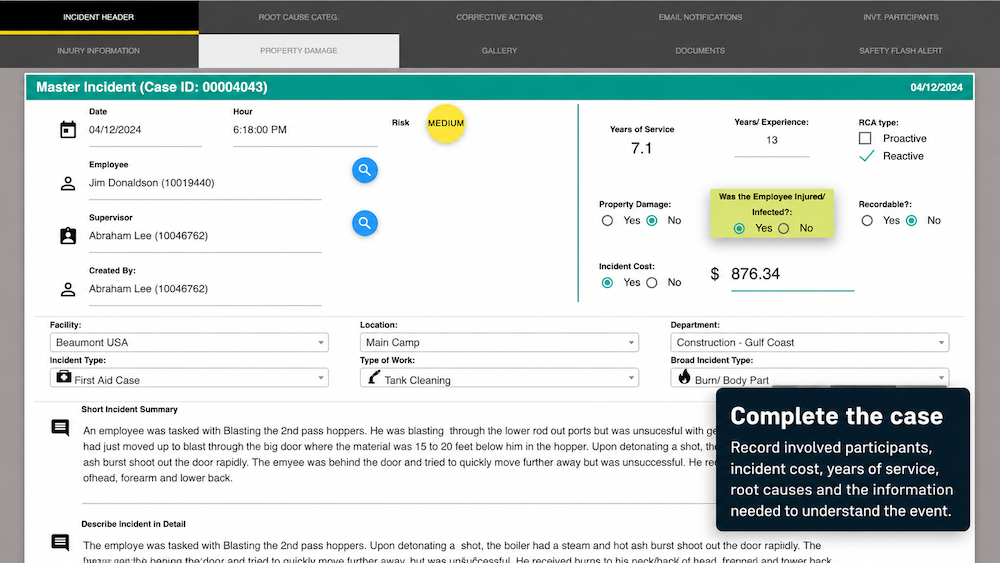
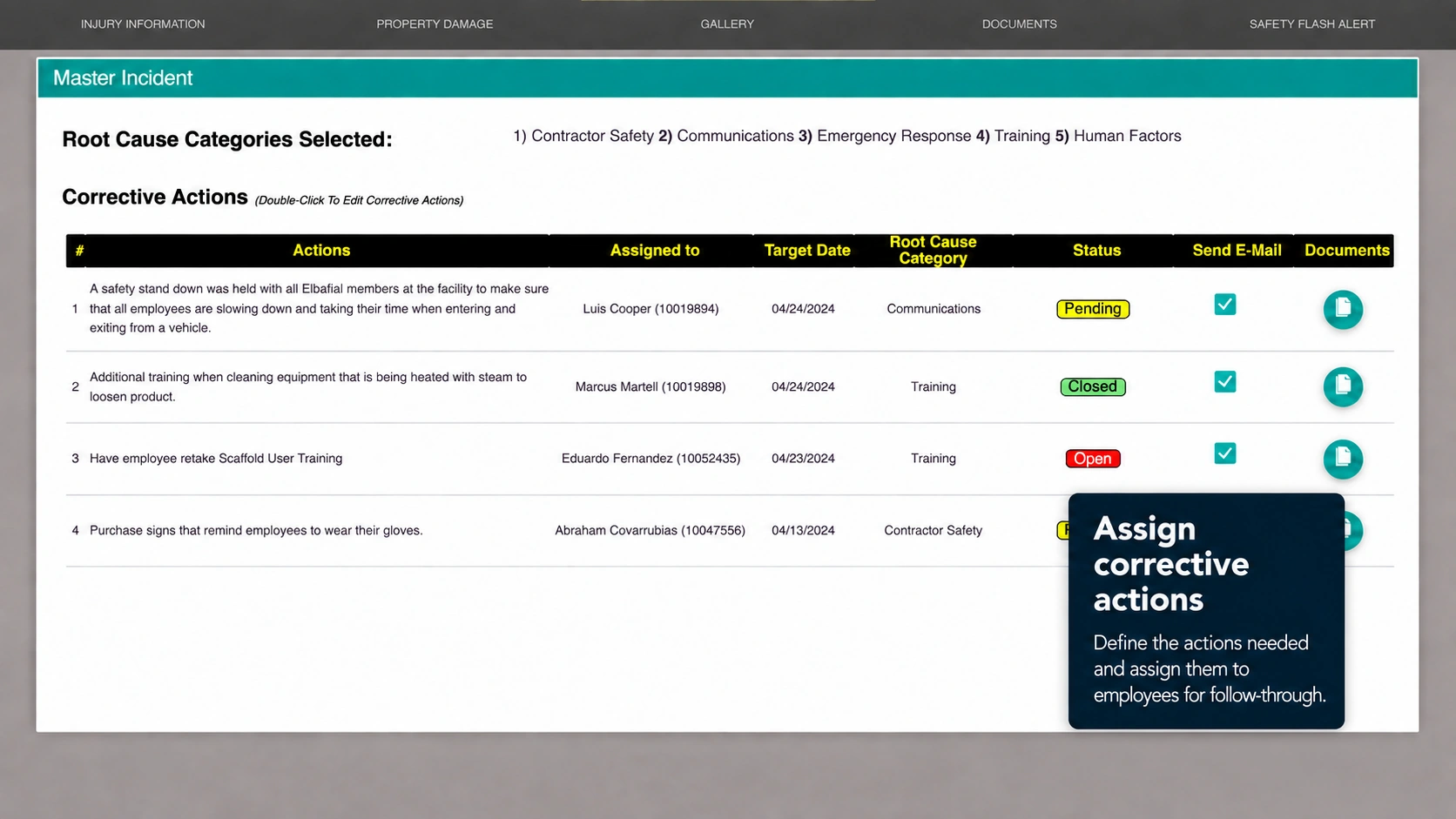
Give supervisors and managers a comprehensive case record to manage follow-up. Complete the information, document findings and prioritize corrective actions according to the risks involved.
Unified reporting
One reporting process for near misses, property damage, injury, illness and the incident types your company defines.
Add the evidence
Attach documents and supporting information so the case remains well documented.
Review before closure
Check outstanding actions and the documented response before closing the case.
Find the patterns.
Focus your prevention.
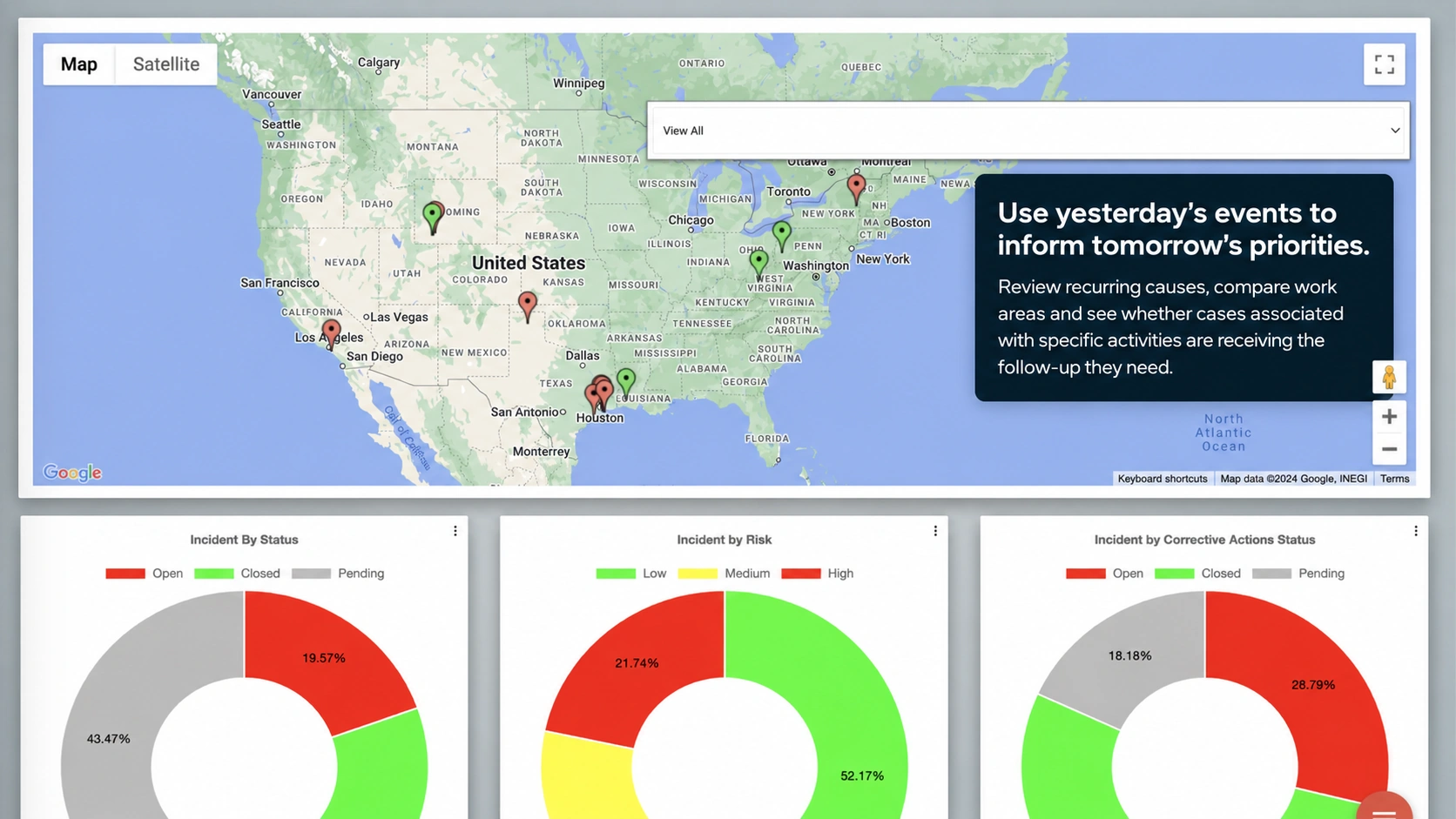
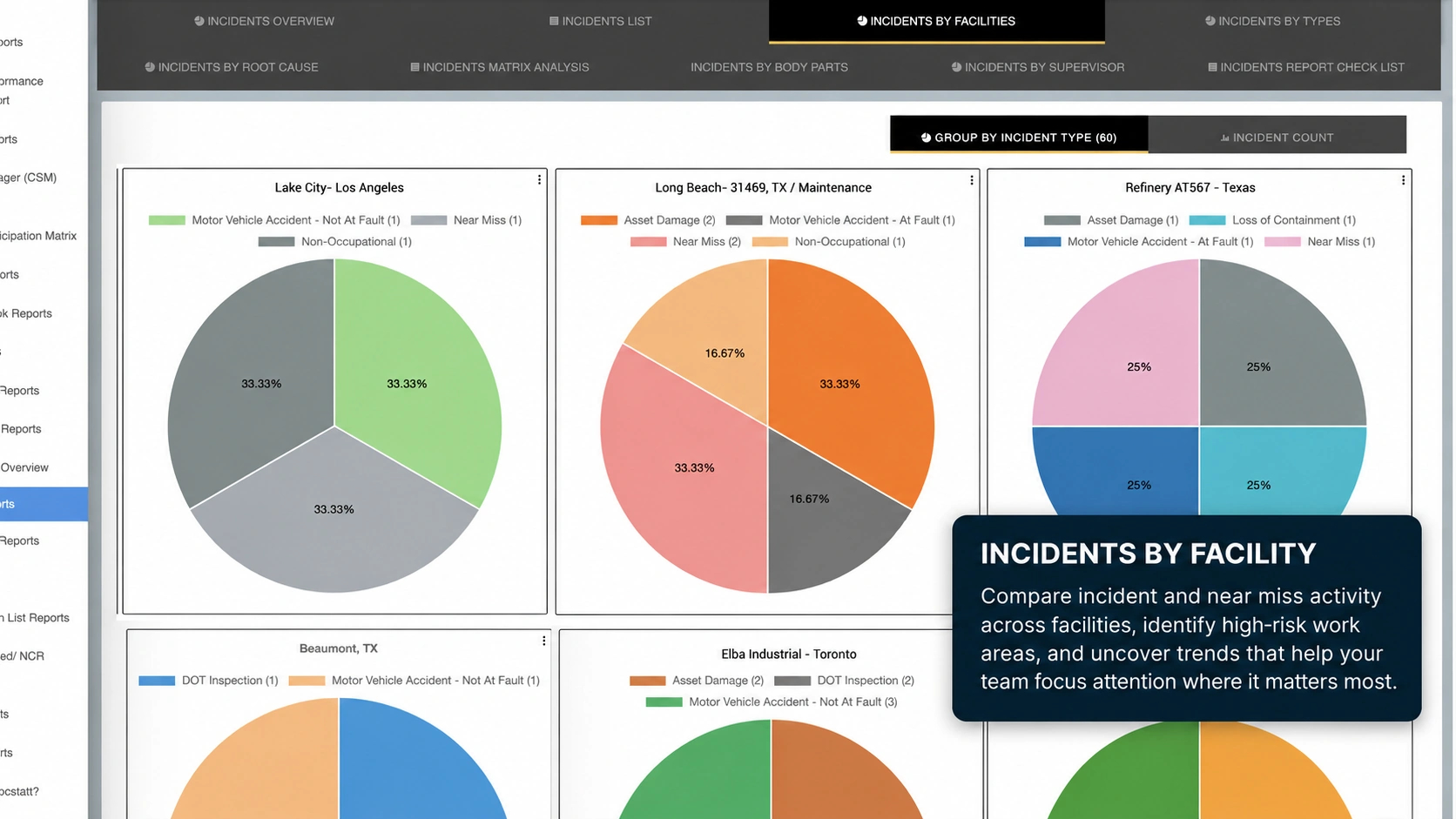
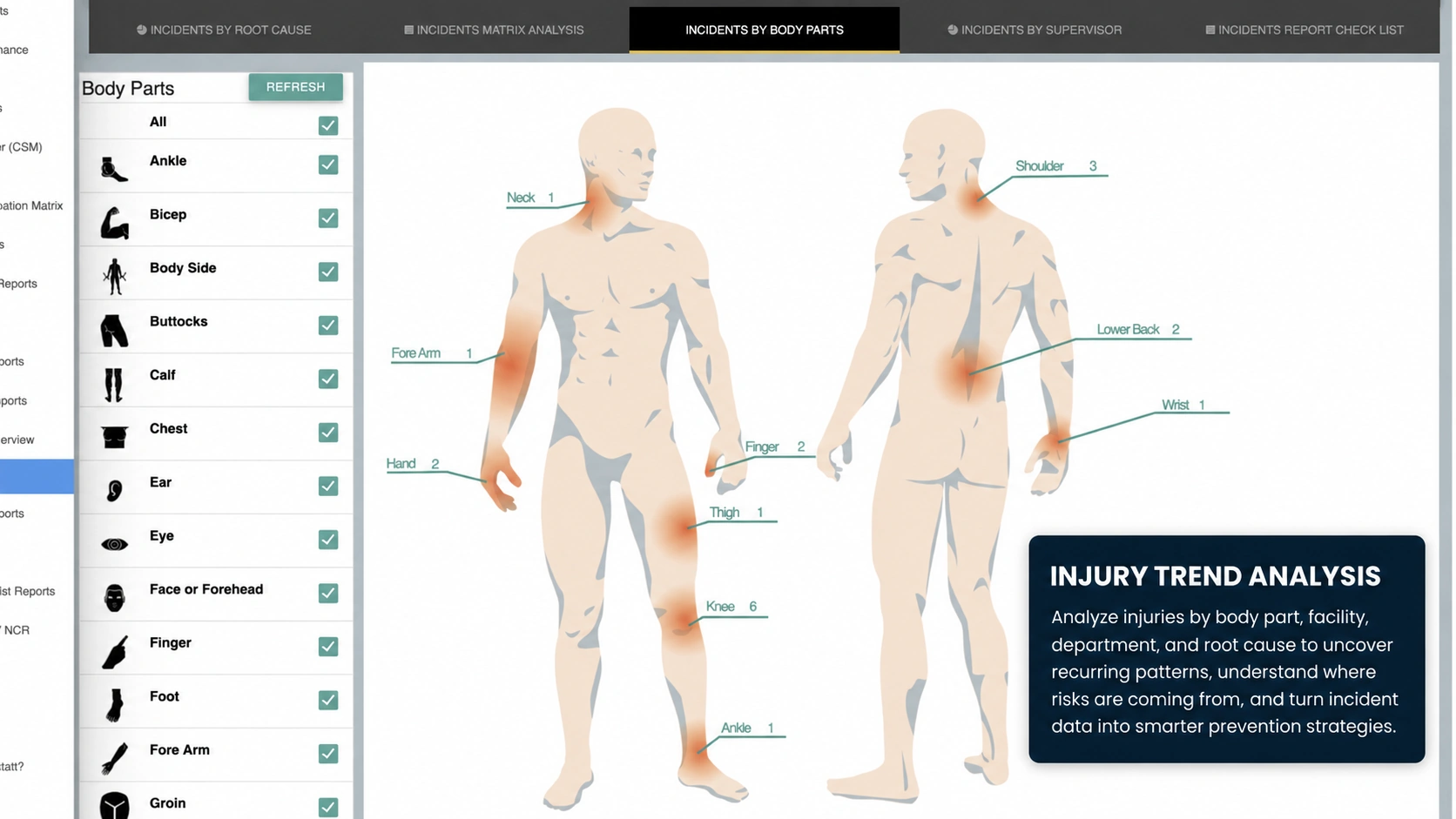
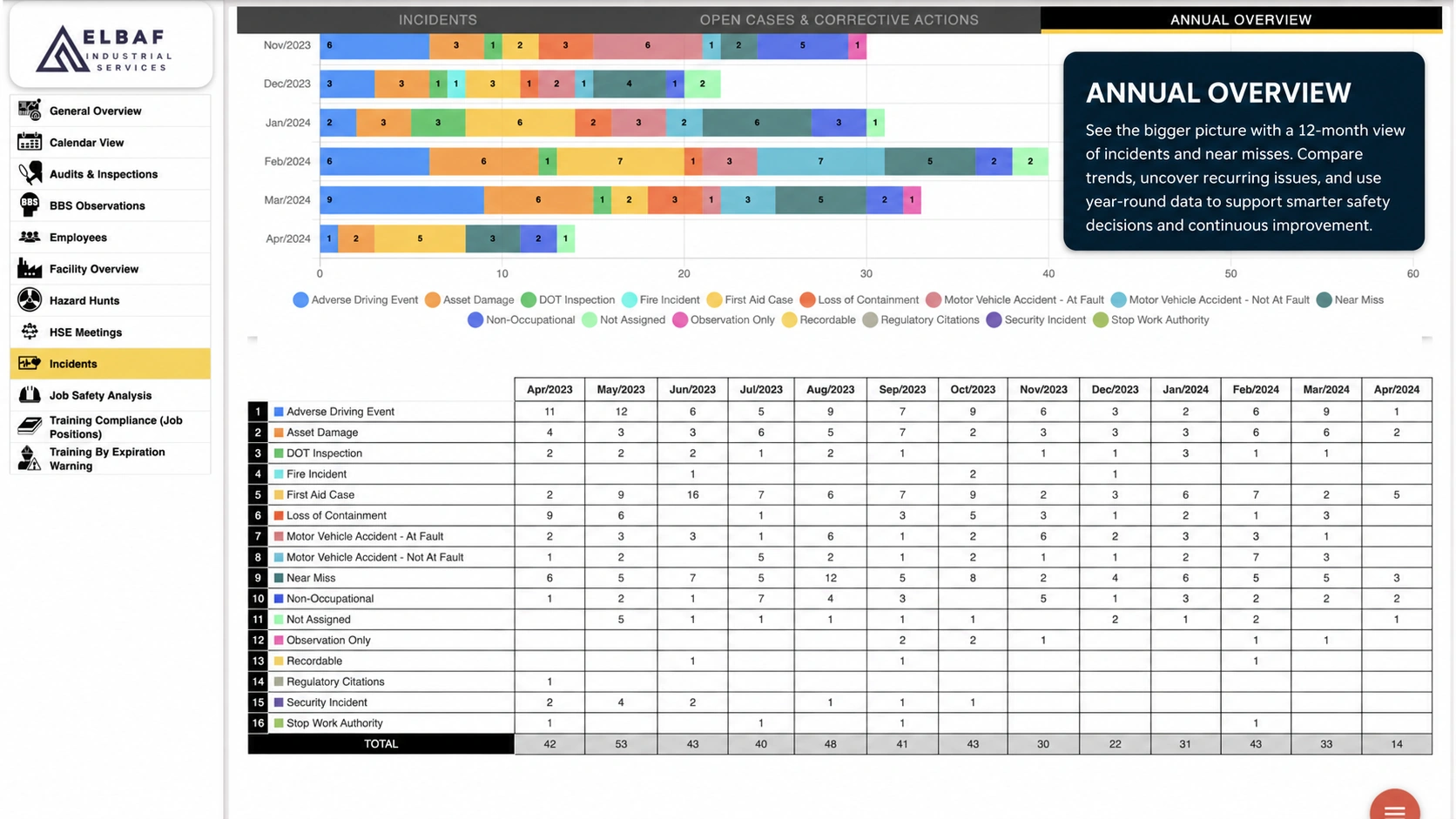
Bring compressed incident data into a company-wide view. Compare outcomes alongside follow-up indicators, such as days open, to see where attention is needed and guide better preventive decisions.
Where & when
Review incidents by facilities, departments, geolocations, days and times of the week and more.
People & impacts
Incidents by supervisors, involved employees, job positions, body parts and incident costs.
Activities & causes
Incidents by types of work, incident types, broad incident types, root cause categories, years of service and experience and more.
LOCSTATT TRAINING + TRAINA CULTURE
Carry the lesson
into refresher training.
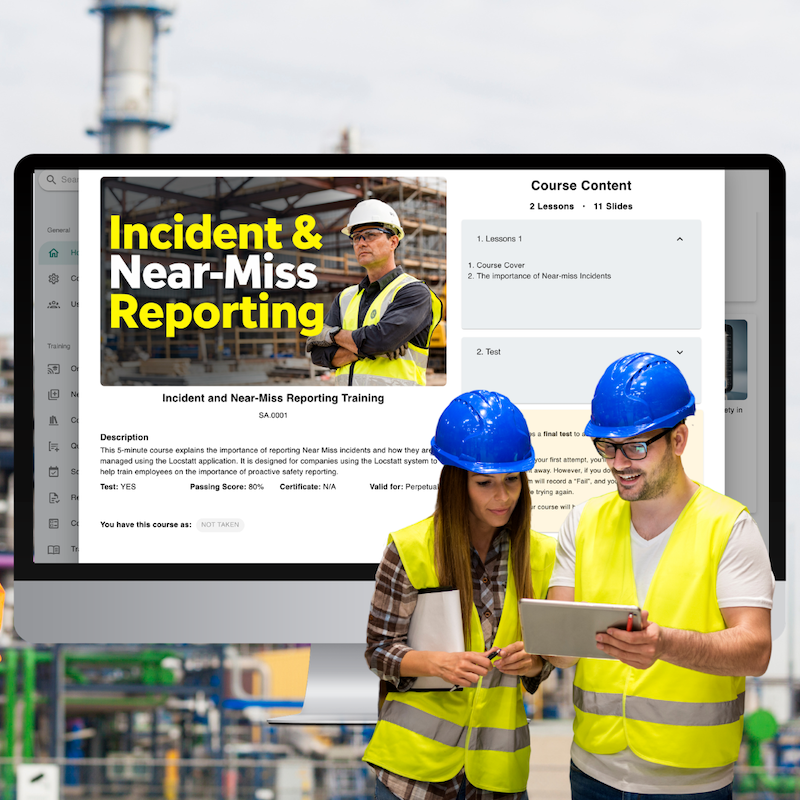
An incident can reveal a skill, awareness or knowledge gap. Use the findings to choose relevant refresher topics and reinforce the practices that help employees prevent future incidents.
Combine Locstatt’s Training module with Traina Culture learning resources to support those training needs. Keep employee learning records available across Training and Facility Logbook reports.
Identify the learning need
Review the incident’s causes and the work involved.
Deliver relevant refresher training
Select topics that address the risks and practices identified.
Keep the record useful
Review employee training history and required training at the facility.
Make the learning useful
across your operation.
Bring incident findings into safety conversations, proactive hazard reviews and workplace checks. Use connected HSE information to strengthen the way teams prepare, prevent and respond.

Discuss the lessons
Use meeting topics to share incident learning and reinforce safe practices.
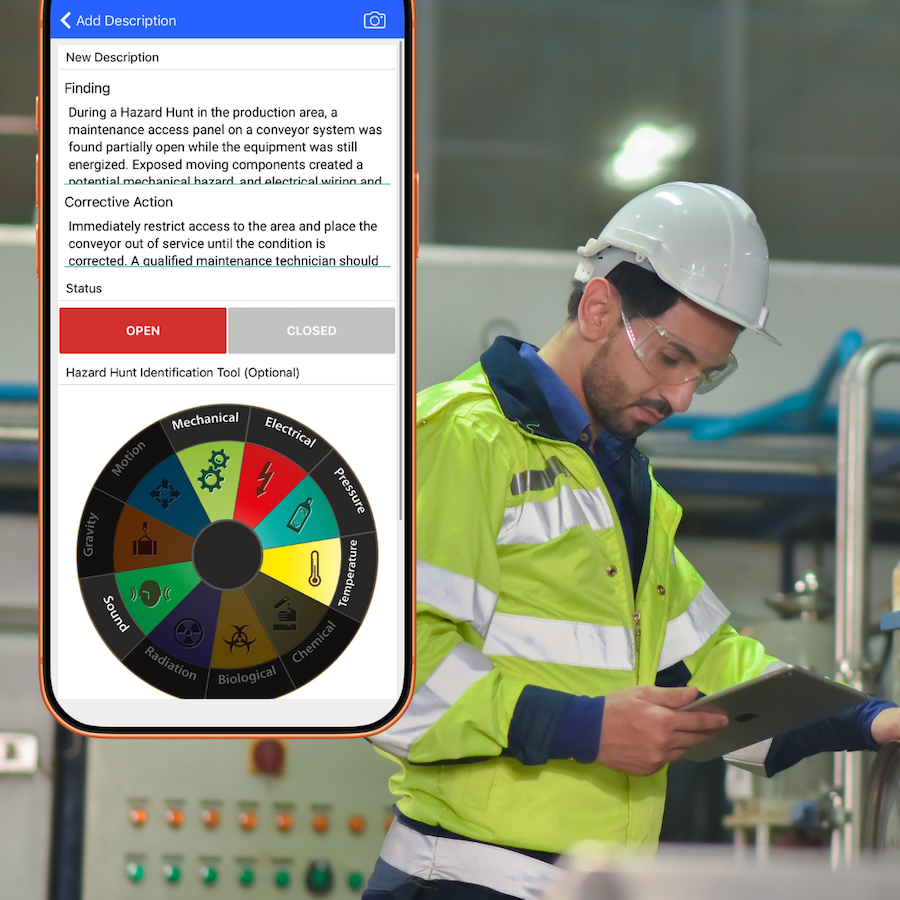
Learn from field observations
Use incident findings to guide proactive reviews of hazards in work areas.
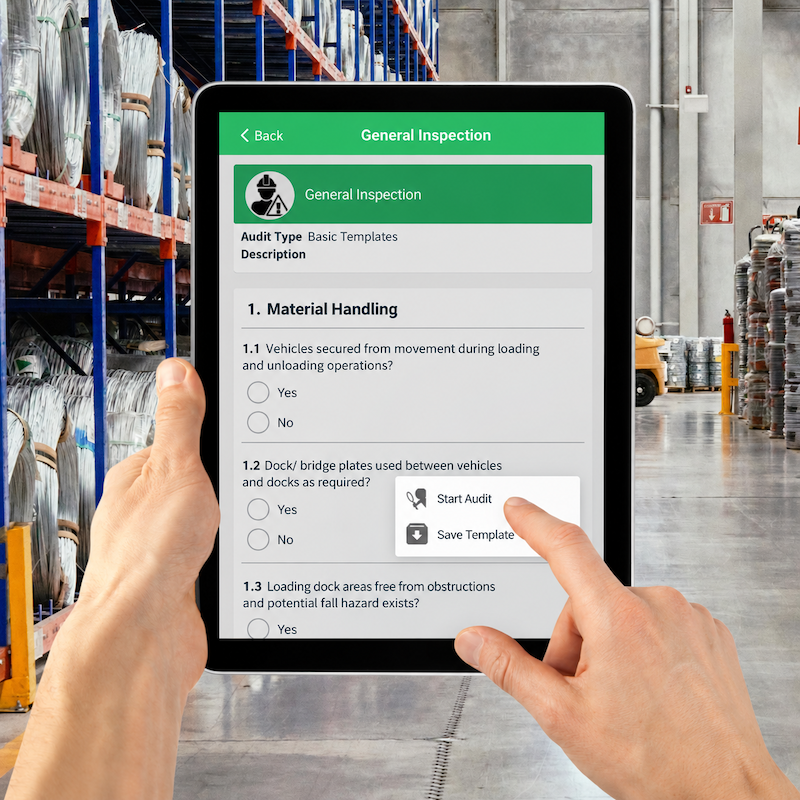
Check the controls
Reflect lessons in practical field checks and inspection templates.
Give every incident
a path to better prevention.
See how customizable reporting, documented follow-up and connected training can support your operation.