Give field teams a practical way to identify hazards, connect them to energy sources and bring risks into view. Help safety leaders turn that information into action across your operations.

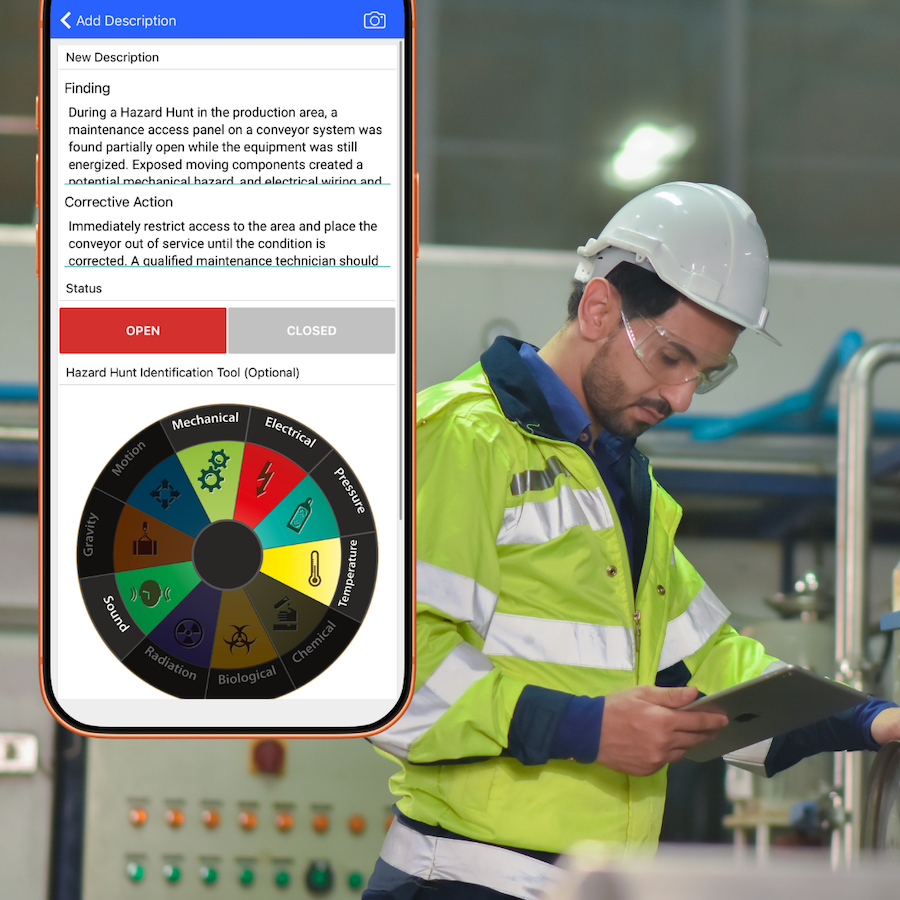
Use the web or mobile app to record the hazard, its root cause, risk level and photos. Indicate whether the hazard has been resolved or requires follow-up.
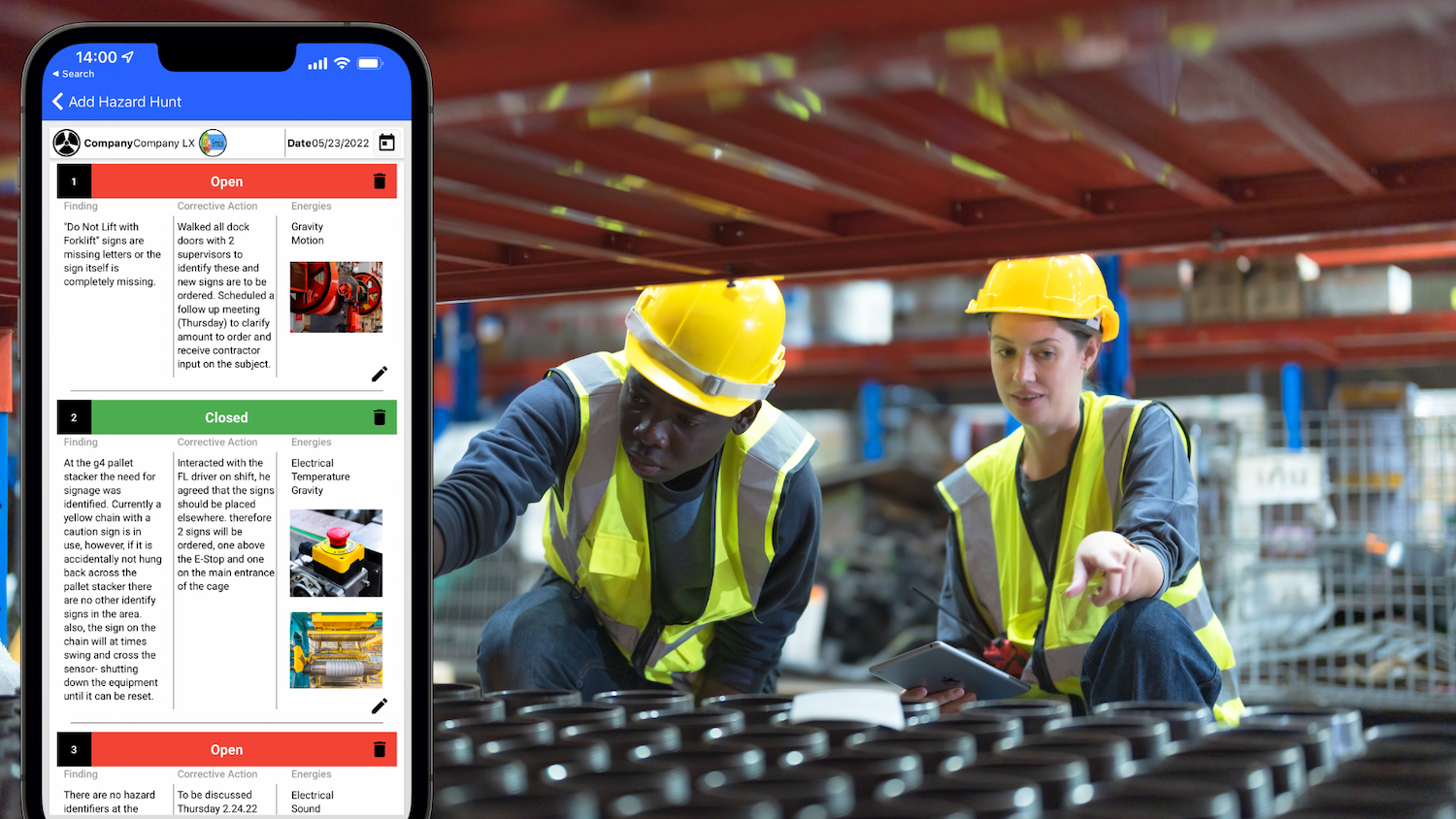
Show the situation
Add photos that give reviewers context.
Work beyond coverage
Capture reports offline and synchronize when connected.
Bring the right people in
Notify supervisors and employees who need to act.
IDENTIFY WHAT CAN CAUSE HARM
Link hazards to energy.
Make exposure visible.
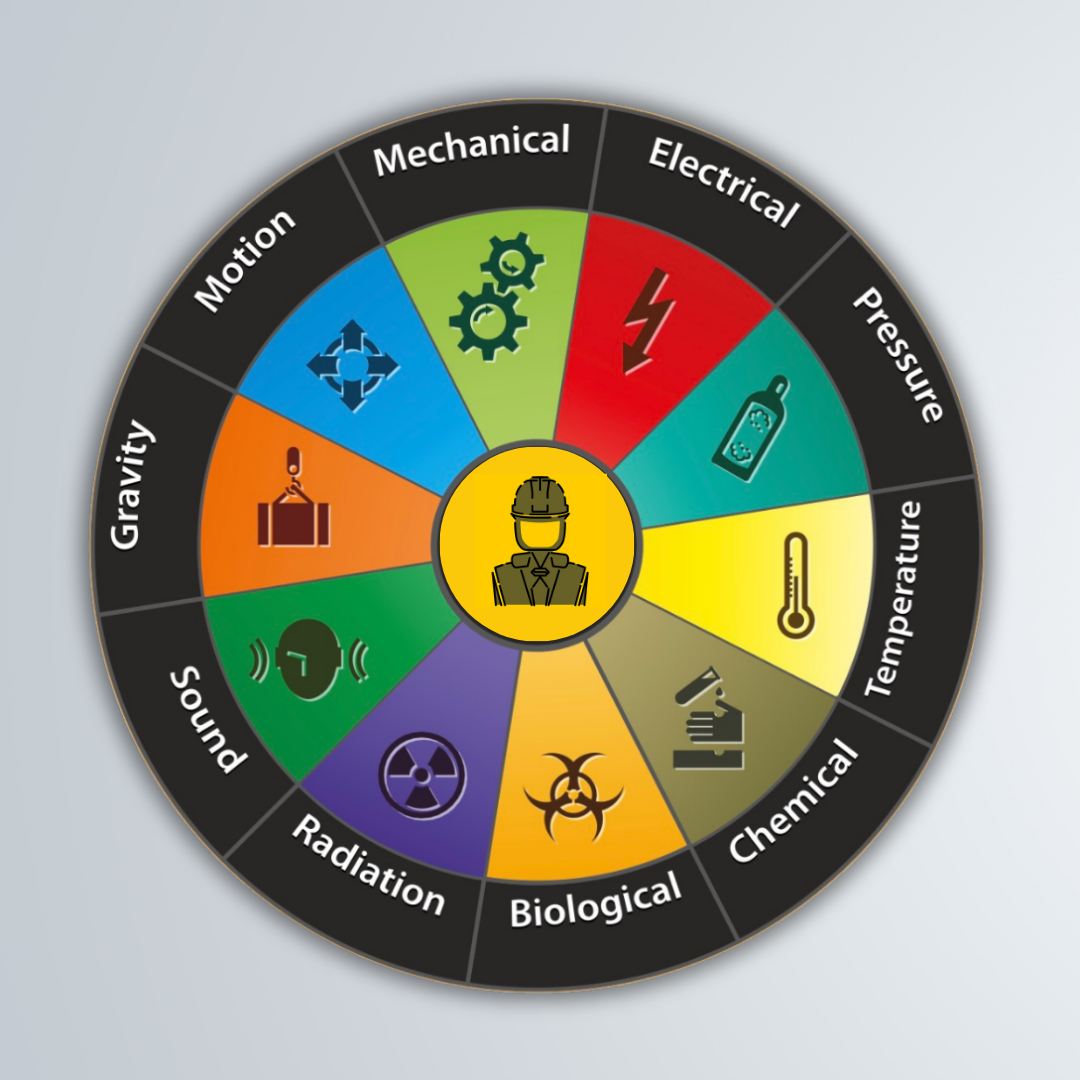
Link hazards to specific energy sources, such as electricity, mechanical equipment and excessive noise. Identify potential exposures and conditions that could cause illness or workplace incidents.
Electrical
A damaged cable or exposed connection in a work area.
Link the hazard to its energy source and work area, then bring the finding into review.
Mechanical – Moving machinery
An unguarded moving component near an employee’s task.
Noise – Excessive sound levels
Elevated noise around equipment or a production area.

Build a habit
of noticing hazards.
Encourage employees to report hazards and recognize their contributions.
Set participation goals
Set monthly hazard-reporting goals for the company or for individual teams at each facility
Recognize contributions
Use nominations to acknowledge employees’ hazard reporting.
Easy-to-Use Applications
Our web and mobile applications let your team report hazards from the field or office through an easy-to-use interface.
View reported hazards across your work areas in one place. See which hazards are closed, which remain open and where further action is needed.
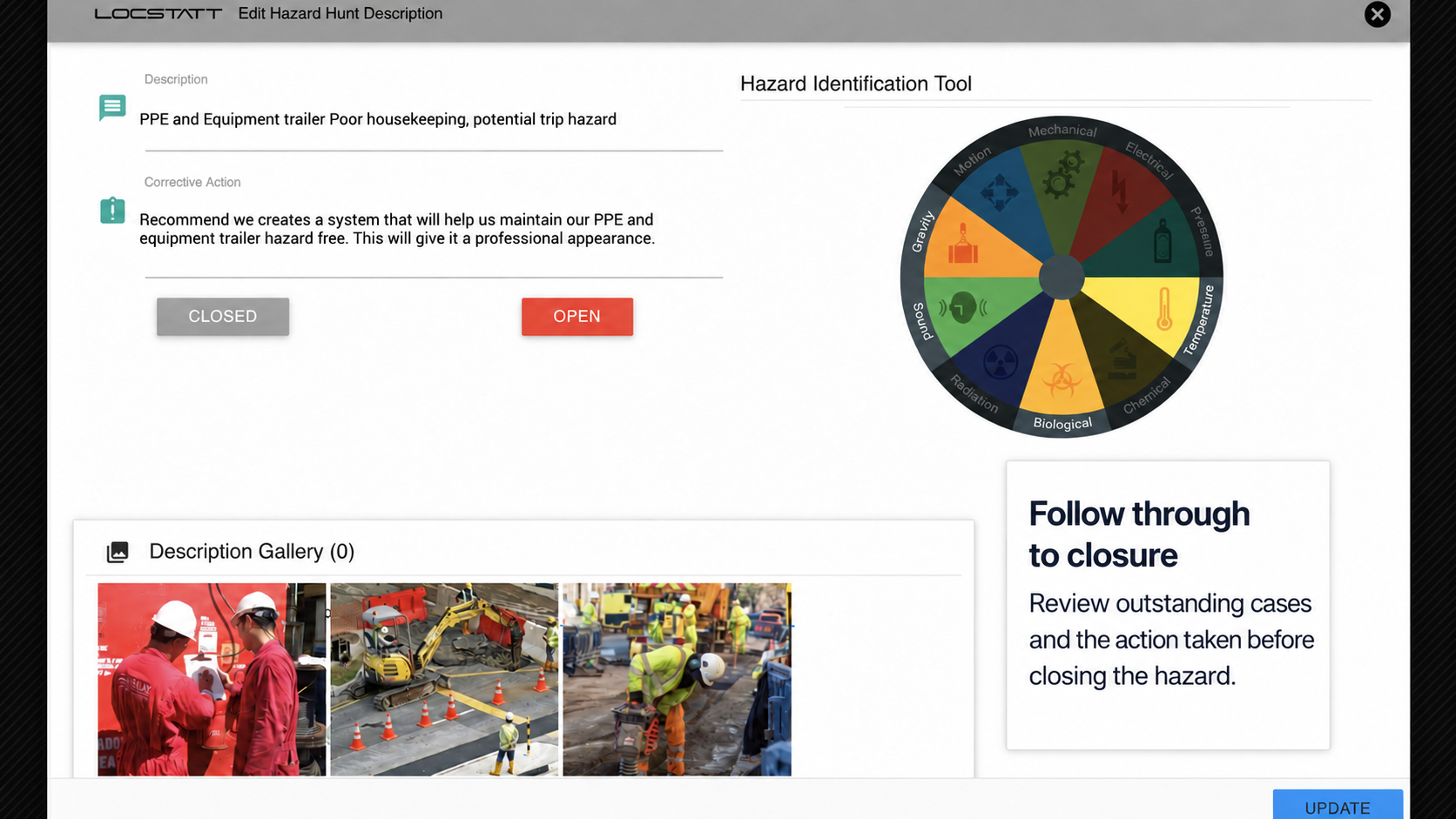
Review the finding
Understand the reported hazard and potential exposure.
Add corrective actions
Record the actions needed to address the risk.
Notify responsible employees
Make the next step visible to the people who need to act.
Review hazard data by work area, supervisor, hazard type, corrective action and location. Give safety leaders the information they need to identify recurring issues and decide where to focus their attention.
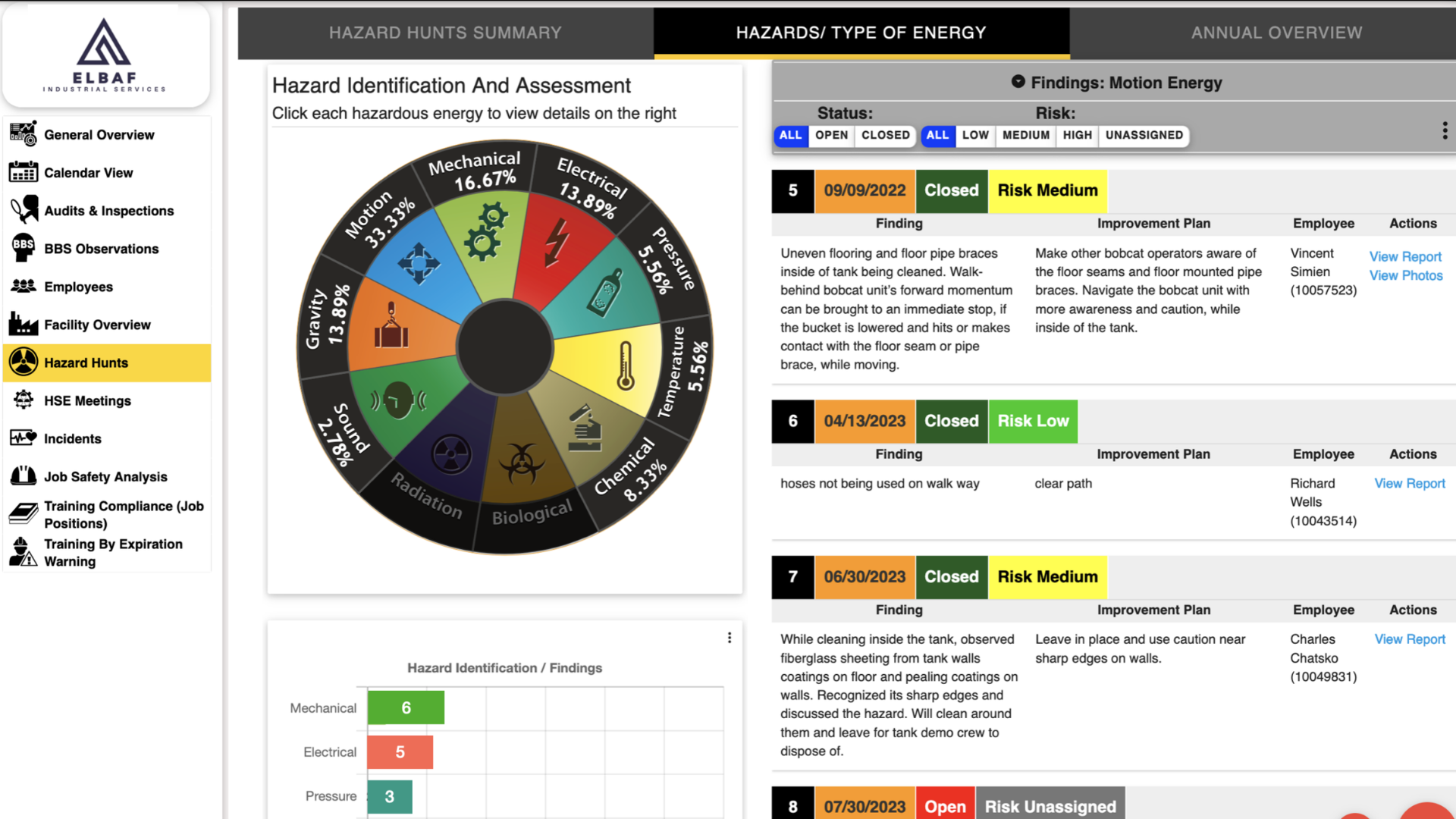
Where are risks recurring?
Review hazard types and patterns across work areas.
What still needs action?
Bring corrective actions into the conversation about mitigation.
Where should attention go?
Connect locations and supervisor context with reported hazards.
Let each finding
strengthen what happens next.
Hazard Hunts connects with Audits, Incident Reporting, Lessons Learned, Safety Meetings and Training. Use reported hazards to inform related safety activities across these modules.

Address the risk
Keep mitigation and corrective-action conversations connected.

Prepare the team
Use field findings to inform training and safety meetings.

Learn across operations.
Bring hazard experience into discussions about better practices.
Make the next finding
a step toward prevention.
Explore how energy sources, remedial actions and Company Performance Overview reports can support hazard mitigation in your operation.